


In 2013, an eternity ago, I spent the sweetest 10 days there, if it could be otherwise, in Capurgana and Sapzurro, two pearls of the Caribbean. But is Capurgana still that lost paradise?
IMPORTANT INFORMATION
For some months now, the Necocli, Capurgana and Sapzurro area has been experiencing difficulties due to the presence of numerous illegal migrants seeking to cross the border into Panama. As the region is already poor, taking care of the migrants is complicated and the humanitarian situation difficult. If you go there, be aware that you may be confronted with this unfortunate situation.
Disclaimer: we apologize in advance for any grammatical or syntactic errors, as our native language is not English (we're a Colombian-French couple), so we hope you'll forgive us and still enjoy the information we share with you! Please note that all the information on our blog is based on our own experience, and is checked and updated regularly.

Exclusive 5% Off Discount For you
Best Travel insurance for Colombia
Our partner offers the best rates and a 5% discount for our blog readers
Capurgana
DISCOVER CAPURGANA & SAPZURRO
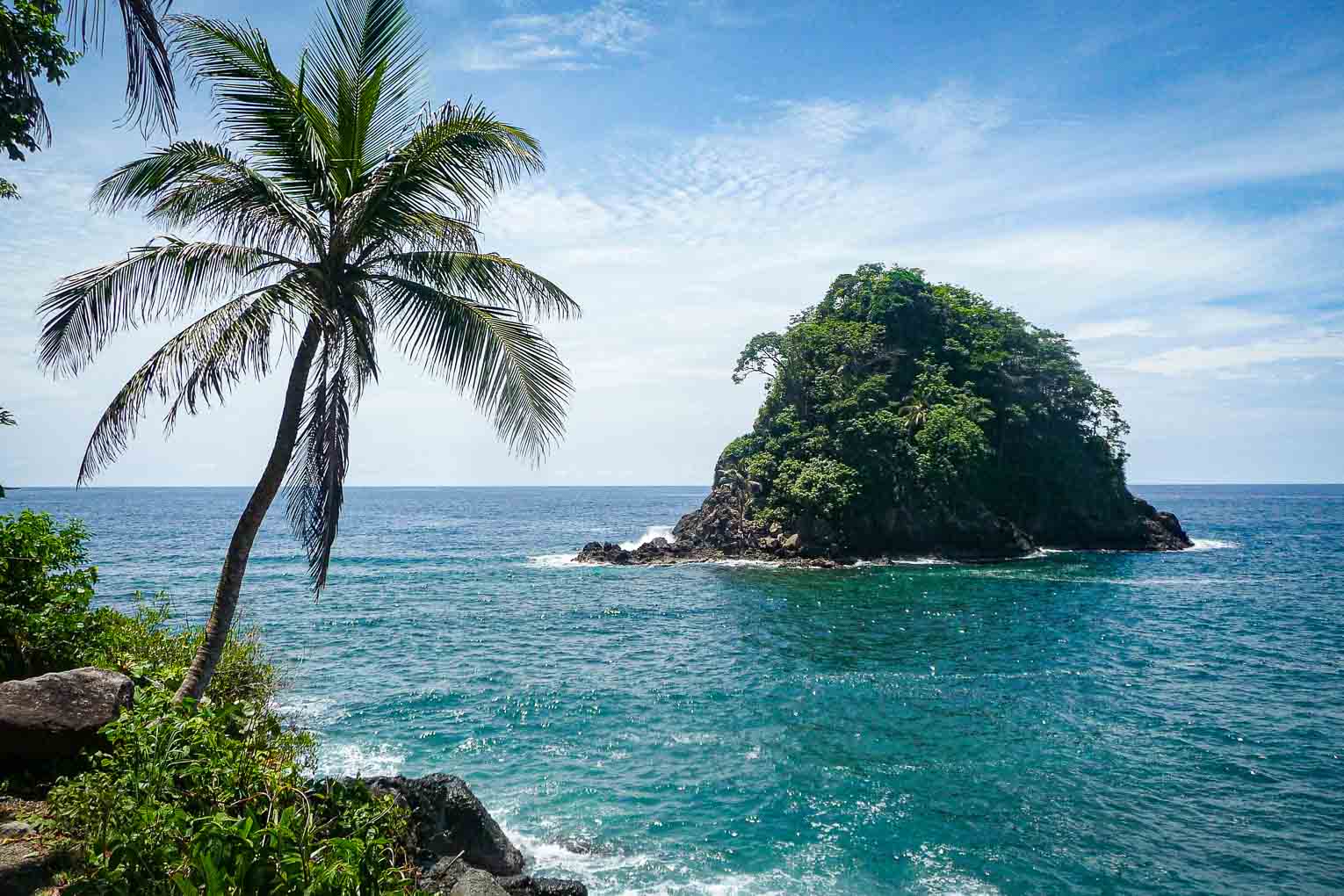
Since my visit in 2013, Capurgana has appeared in the tourist guides and is welcoming more and more tourists, but its geographical location still protects it from mass tourism.
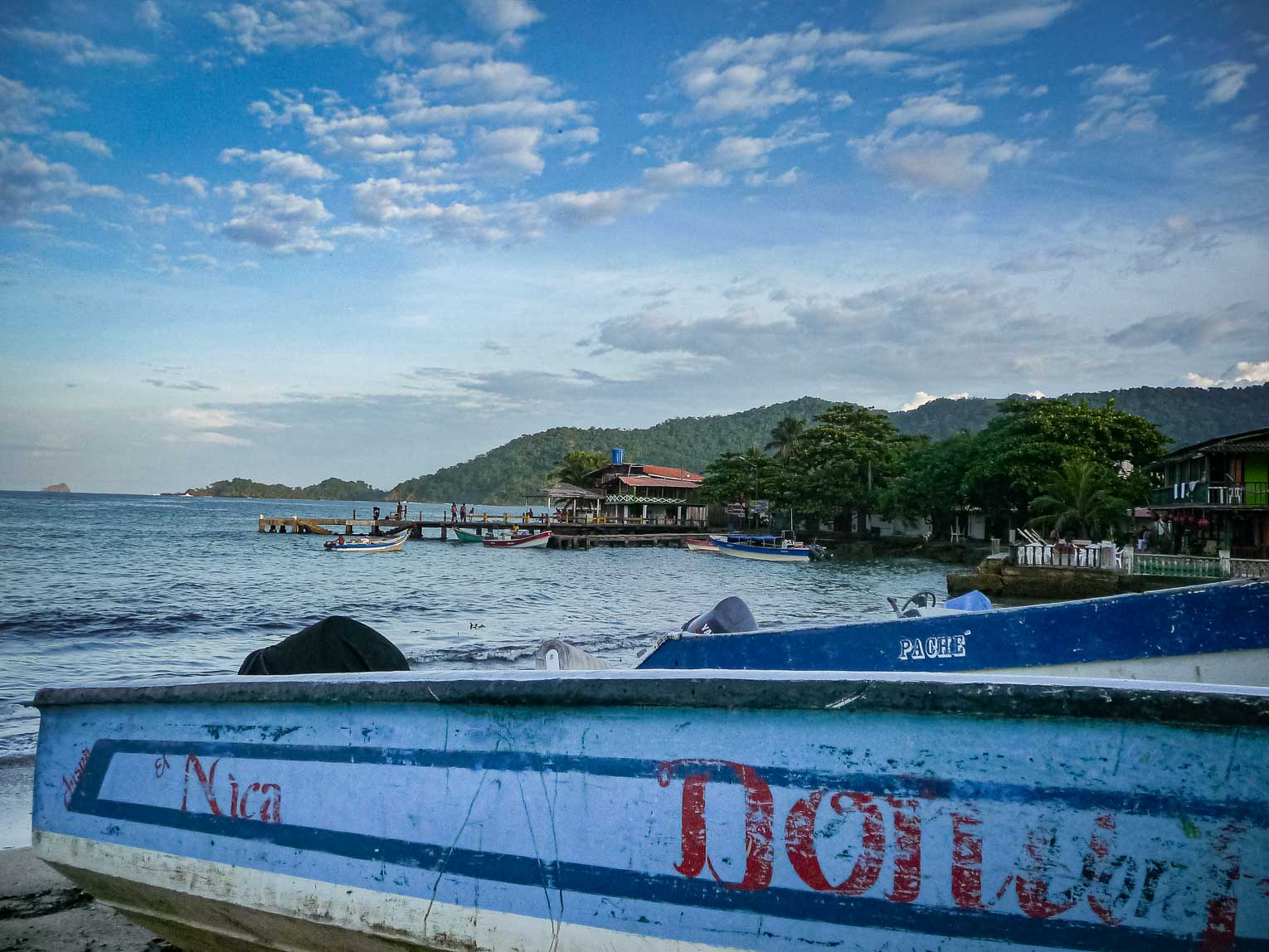
Capurgana is a small fishing village on the edge of the Caribbean Sea, lost in the Darien forest, the South American bottleneck that prevents any crossing of the border with Panama. So much so that it’s the only place where the famous Pan-American Highway, which stretches from Alaska to Patagonia, stops. No road crosses this immense rainforest, which is why Capurgana can only be reached by sea.
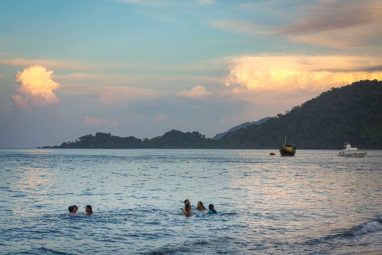
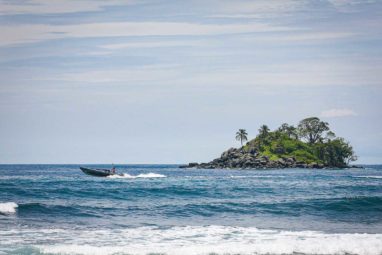
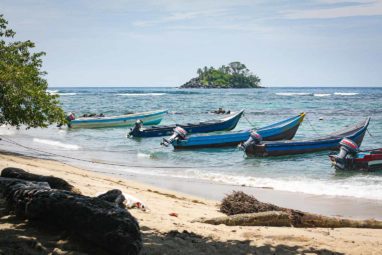
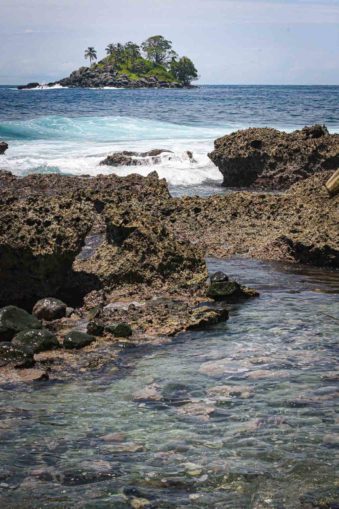
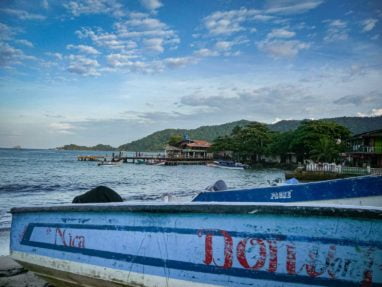
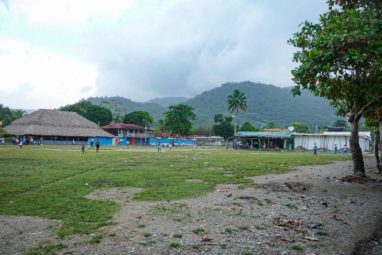
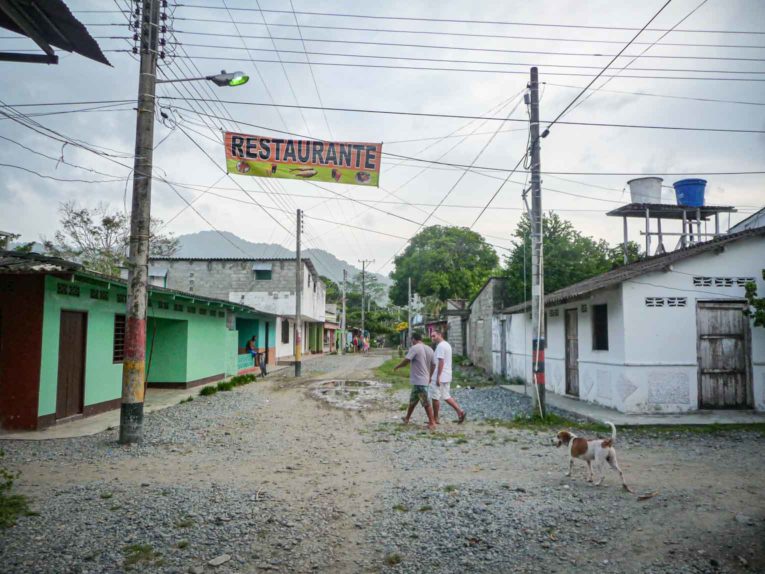
During my stay in 2013, the village lived to the rhythm of the lanchas that brought people, tourists and supplies back and forth at the rate of one trip a day. At weekends, the village filled up, mostly with national tourists and a few backpackers who had come to cross the border by boat.
During the week, the village emptied of its weekend visitors, and we were the last tourist specimens to remain. Electricity was only available during the day, cutting off at 9pm in the evening. There was no internet access apart from rare exceptions, let alone wifi.
Has Capurgana changed?
Capurgana & Sapzurro
What’s changed in Capurgana
The village is much more organized and ready to welcome more tourists. Electricity is available 20 hours a day on average, internet is available in many restaurants and hotels, there are 7 tiendas, 4 bakeries and a dozen restaurants.
What hasn’t changed in Capurgana
Capurgana remains a magical place to get away from it all. There are still no ATMs or banks in Capurgana. There are still no roads, so there are still no cars. There’s still the atmosphere of the end of the world, of a lost, inaccessible corner of the world. There’s still my friend Victoria’s Bohemia Hostal to welcome you and your family. There’s always that emerald sea at 30°C, that unchanging weather of heat and humidity. There’s still the beach and coconut palms , and there’s still the dense, wild jungle.
Although Capurgana now exists on the map of Colombia and in the tourist guides, despite the growing number of visitors, despite the destination’s appeal to those wishing to have a good time or simply cross the border into Panama.
The relative difficulty of getting there means that it still retains a certain authenticity
Sapzurro
A QUIET VILLAGE
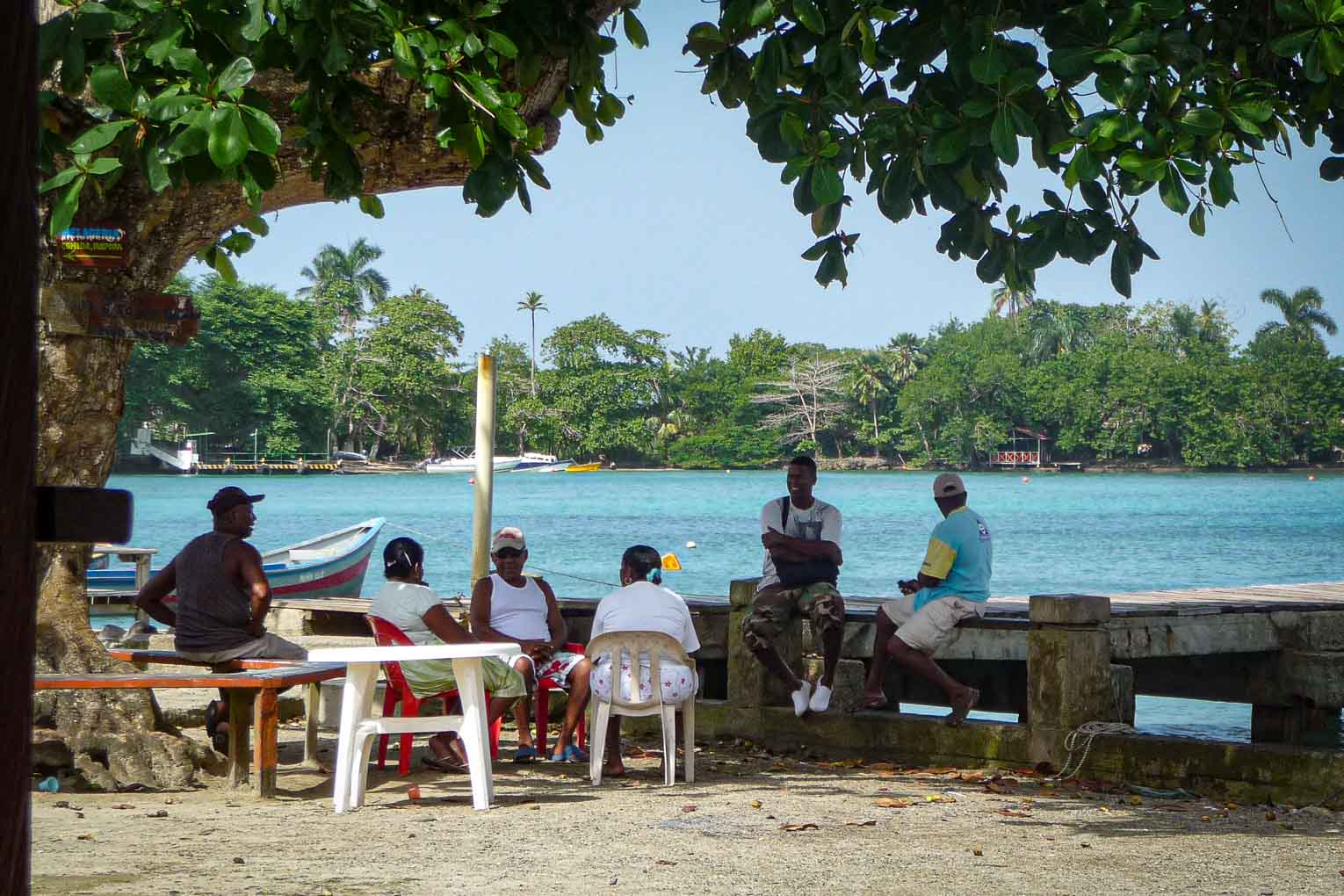
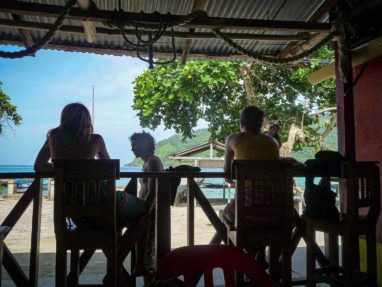
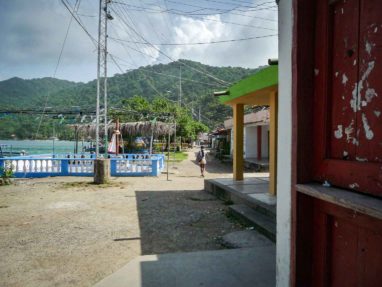
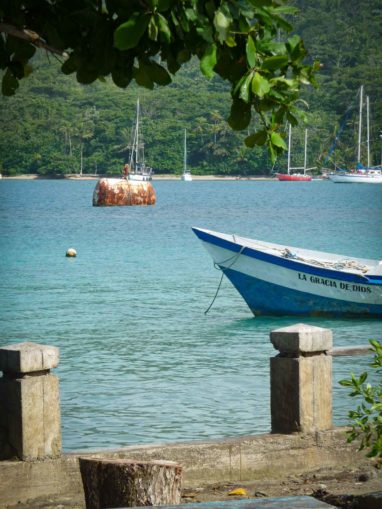
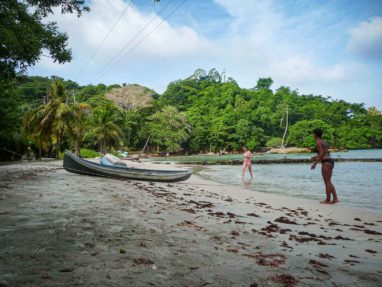
Not far from Capurgana lies an even more peaceful village, Sapzurro. For the mythical, it’s the last inhabited village in South America! I love these stories of the ends of the world, these capes that mark the end of a continent, these bits of something that represent an imaginary world more fantasized than real, which always attracts me.
In the little square near the pier, under the tree, we seek shade and chat over an artisanal ice cream made with honey and coconut milk, sold by a lady whose reputation extends as far as Capurgana… a real character, her ice creams are absolutely excellent.
As you can see, in Sapzurro, you have to take the time to take the time.
From Sapzurro, you can enjoy the same activities as in Capurgana, although some outings will be longer, others shorter. The village is much less developed than its neighbor, with less life, restaurants, tiendas and accommodation, but more tranquility.
HOW TO GET TO SAPZURRO
Getting there on foot
A footpath leads to Sapzurro, which takes about 1 hour to walk, with a very physical climb in the heat. We advise you not to carry too much.
Getting there by lancha
- Time: 15 minutes
- Price: approx. $10.000 COP
What to do in Capurgana and Sapzurro
BEACHES, NATURE ACTIVITIES AND ECOTOURISM
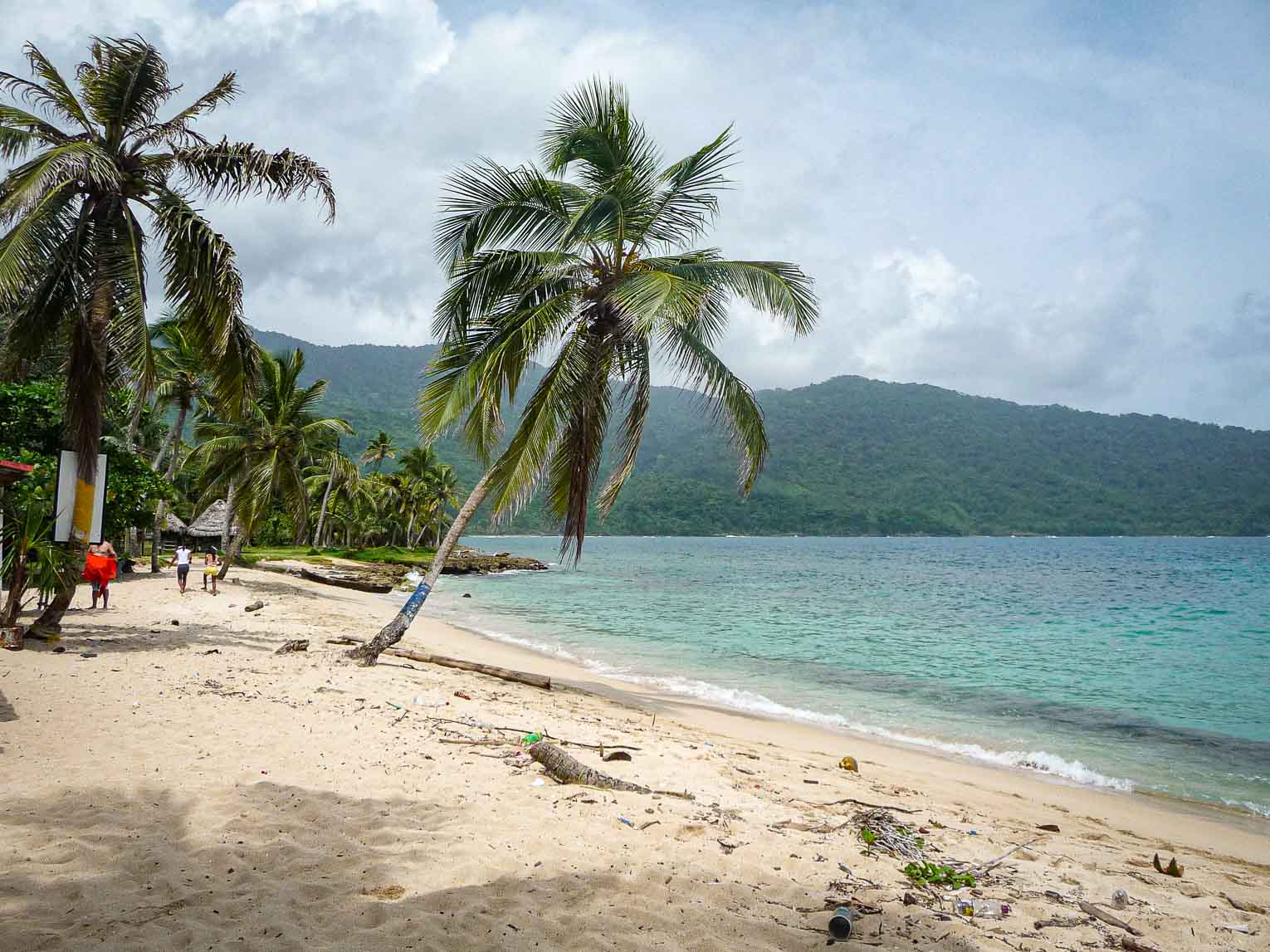
So, with the difficulty of getting there, is it really worth going to Capurgana? Apart from the beach, it’s not worth staying there for 1 week, is it? Okay, it’s great if you’re coming from or want to go to Panama, but otherwise?
These are the questions I’ve already been asked, and which this post will attempt to answer. Capurgana is a little lost paradise, far from everything, with no access roads… so apart from nothing, what can you do in Capurgana?
Farniente
Capurgana or Sapzurro are little paradises nestled between lush jungle and turquoise or emerald seas – your choice, but at 28°C please.
Life is simple: you leave your room, towel slung over your shoulder, head for the beach to spread your towel and enjoy… in the morning, you’ll watch the sunrise, in the evening the colors of the horizon and then the waking moon… at night, you’ll listen to the rain and the sound of thunder..
Capurgana & Sapuzrro = farniente, farniente = Capurgana & Sapzurro
Scuba diving
It was in Capurgana that I had the chance to go scuba diving for the first time. And I can tell you it won’t be the last. The sensation, though unusual at first, proves to be exceptional once confidence is established. The Capurgana seabed is sublime, with coral and multicolored fish of all sizes. If you’re lucky, you may even come across turtles, manta rays and small sharks, depending on the season.
Bahia El Aguacate
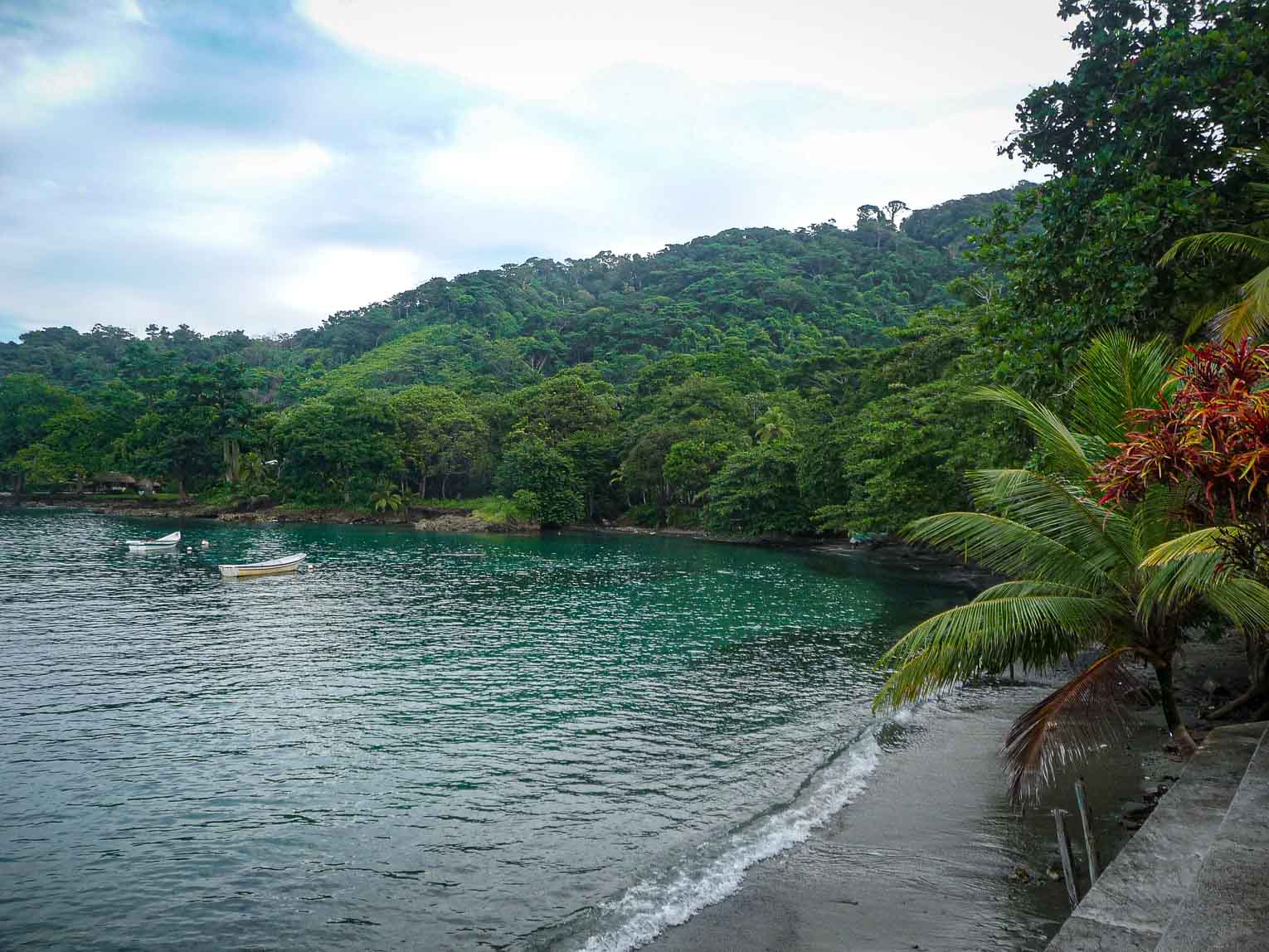
Avocado Bay” is a great way to get out of Capurgana, which can get pretty noisy when the world settles in. Here you’ll find the calm of the Caribbean, as you encounter a small bay with emerald waters, a welcome change from the turquoise blue that was beginning to bore you a little ;-).
You can stay, sleep and eat here in a totally bucolic atmosphere. We spent a very pleasant afternoon there, walking out along the coastal path and returning by lancha.
HOW TO GET TO EL AGUACATE
Getting there on foot
It’s a good hour’s walk to El Aguacate. There’s a short climb to take into account, but otherwise it’s easy.
Getting there by lancha
- Time: 15 minutes
- Cost: approx. $7.000 COP
La Miel Beach
Here’s one possible definition of a paradise beach: white sand, coconut palms, a sea of infinite shades of blue… “La Miel”, a beach worthy of all your fantasies La Miel”, a beach worthy of every fantasy!
And to make matters worse, you can reach the coral reef from the beach in just a few fathoms. So don’t forget to bring your own mask and snorkel, or have someone lend you one, as it would be a shame to miss out on the underwater spectacle. Without being totally crazy, it’s well worth the effort. Personally, I know I could spend hours watching the multicolored fish!
How to get to La Miel
Beach access costs $2.000 COP
Getting there by lancha
- La Miel is about half an hour from Capurgana by lancha.
- The trip costs around $30.000 COP
- Combine this with a break at Sapzurro.
- The last lancha leaves at 4 p.m. from Sapzurro.
Getting there on foot
As for Sapzurro, there’s a footpath that takes you to the Miel beach, which takes a little over 1? hours to walk up, with many physical climbs. If you’ve got a lot to carry, it’s possible to have a lancha bring your big bags to the beach and pick them up once you’re there. (which we strongly recommend!)
El Cielo waterfall
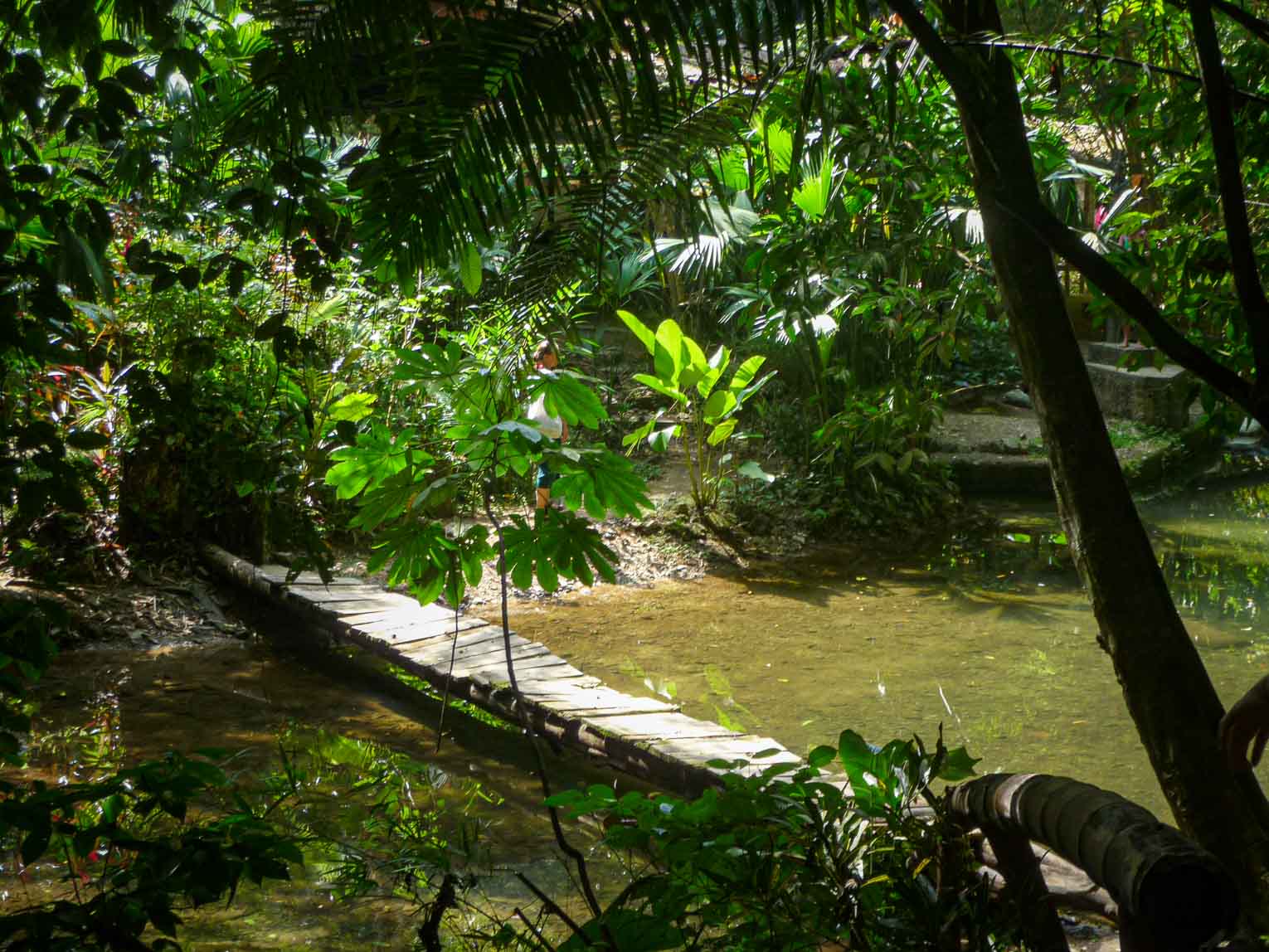
A jungle hut where you can eat a patacon pisao and, above all, bathe in a cool river flowing into a number of basins and waterfalls. In this tropical heat, it’s great to recharge your batteries.
The walk to get there from Capurgana takes us deep into the jungle, with its marmosets throwing fruit at you, its myriad species of trees and plants, its smell and perhaps the chance to spot a sloth, which reminds us of the meaning of immobility. Suffice to say, we loved it!
HOW TO GET TO EL CIELO
To get to the El Cielo waterfalls, you need to take a jungle path that leaves from the village of Capurgana. It’s best to ask on the spot.
- Entrance fee to El Cielo: $2.000 COP
Playa Soledad
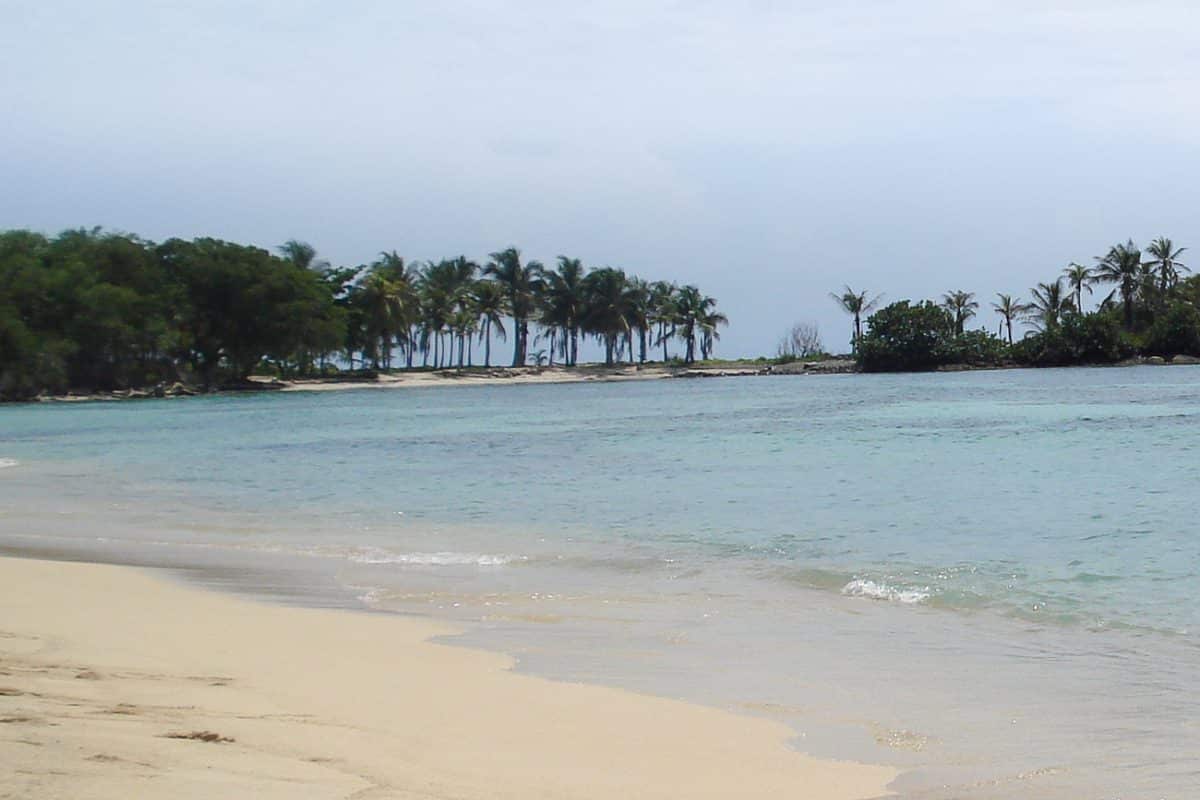
Playa Soledad is the lost beach par excellence, the one where you’ll feel all alone in the world, the beach of solitude… You’ll spend a moment suspended in its crystal-clear waters, white sand and surrounding mangroves, the wild beauty of the Caribbean summed up in one heavenly place.
On a lucky day, you’ll have your mask and snorkel to see the coral, the small multicolored fish and suddenly a manta ray will wave at you..
How to get to Playa Soledad
You can reach Playa Soledad on foot via a 4-hour walk that takes you past Bahia Aguacate.
La Coquerita natural pool
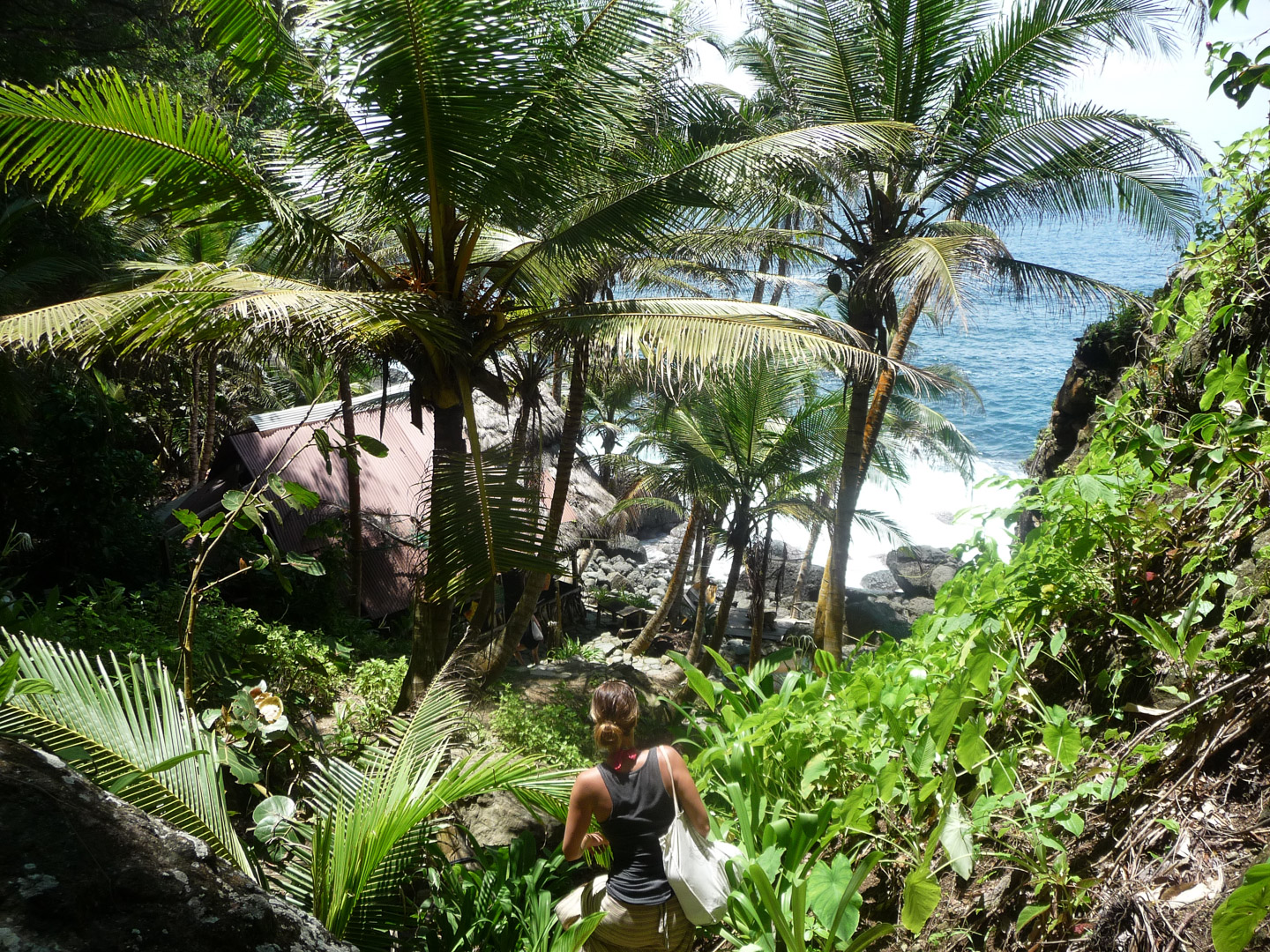
It’s a short stroll along the coast, starting from the central beach of Capurgana, follow the path to marvel at the landscape and the hermit crabs, shiver as you come across the poisonous and deadly frogs, and get ready for a moment of pure relaxation and joy when you arrive at La Coquerita.
La Coquerita is a house perched with its head in the jungle and its feet in the Caribbean Sea. Here, you’ll be treated to hammocks, light meals and ponds filled with fresh spring water from the mountains, and a natural pool of warm seawater to soak up the waves and return you to childhood! As you can see, this is one of the must-do activities around Capurgana.
How to get to La Coquerita
To get there, simply take the coastal road heading north from Capurgana.
- Entrance fee to La Coquerita: $3.000 COP
See the turtles at Acandi
Somewhere on the beaches near Acandi (1h by lancha from Capurgana), the respectful visitor may be lucky enough to witness one of nature’s most magical “spectacles”: the laying of eggs by one of the world’s largest turtles, the Caná tortoise.
This protected species is one of the region’s treasures, and the fishermen of Capurgana and the surrounding area are its guardians. It’s possible to go and witness this phenomenon by scrupulously respecting the instructions of the locals and the ecological centers responsible for their protection.
Over the last few decades, Caná turtles have been hunted for their meat and eggs, so the beaches of Acandí are one of their last refuges, as are some beaches north of Necocli in the same Gulf of Uraba.
- The egg-laying season takes place between February and June, with April being the most propitious month.
- The show takes place at night, when the turtles may not be on time, so expect to be patient.
Where to stay in Capurgana and Sapzurro
Where to stay in Capurgana
Capurgana

Hostal
Dive and Green Hostal
Double room : $0 to $100.000 COP
We didn’t stay at Dive and Green, but we did try scuba diving with them, and it was great! The reviews of the accommodation suggest that this is also a good option for accommodation in Capurgana.
Capurgana

Finca
Los Robles
Double room : $150.000 to $200.000 COP
For greater comfort, head for Los Robles, which offers charming double rooms overlooking a pretty garden by the sea. Breakfast and catering available on site.
Where to stay in Sapzurro
Sapzurro

Eco Lodge
El Caney Cabin
Double room : $250.000 to $300.000 COP
And why not rent an entire super house? Situated high above Sapzurro, with an unrivalled view of the bay, the El Caney cabaña offers original features, with two floors totally open to the outside and the experience of sleeping simply under a mosquito net, listening to the sounds of nature!
Sapzurro

Hostal
Casa Mola Hotel
Double room : $0 to $100.000 COP
Perhaps the best hostal in Sapzurro, an economical price and a top-notch atmosphere right in the middle of nature, on the heights of Sapzurro.
Good places to eat in Capurgana & Sapzurro
If the idea is to go out for a good meal or a drink, there are several options in both Capurgana and Sapzurro that are well worth a visit.
Restaurants and bars in Capurgana
Capurgarepa
Small café next to the central square/football field, where you can enjoy a good breakfast with arepas and homemade fruit juices.
Josefina
Still the best restaurant in Capurgana, if you want to treat yourself to seafood, this is the place!
Le Gecko
An Italian that’s been here for a few years now, and perhaps the best pizzas you’ll eat during your stay in Colombia! The fact that you had to go all the way there for this is reason enough for you to go, isn’t it?
Tipik Tropik
Located on the village cancha (the soccer pitch that serves as the village’s central square) Tipik Tropki is Capurgana’s only vegetarian restaurant. If you want the best fruit juices in the village, Tipik Tropik is where you’ll find them. They also do veggie burgers, all to the accompaniment of old boleros and great salsa.
La Brujita
This is THE club for late-night dancing. The place gets particularly hot at weekends with the influx of Colombian tourists. In any case, this little house on stilts, literally with its feet in the water, on Capurgana’s central beach is a must for those who want to party!
Bar Macondo
This is the new hot spot in Capurgana, and it has to be said that its terrace overlooking the sea is just top-notch! The atmosphere is cool, the furniture is nice, Macondo has it all and regularly hosts live concerts.
Restaurants in Sapzurro
Paraiso Cangrejales
This is probably the best address in Sapzurro, offering Peruvian and Colombian fusion cuisine to die for. Paraiso Cangrejales is a hostal, but you can also just drop in for lunch or dinner.
Doña Triny
On the seafront, another hotel that doubles as a restaurant. It serves quality local cuisine.
How to get to Capurgana & Sapzurro
Getting to Capurgana from Necocli
LANCHA | Necocli <> Capurgana (1h30)
- Price: one-way $95.000 COP ($190.000 COP return)
- Port tax aprox $2.000 COP at Capurgana / $2.500 COP at Necocli
- Departures: daily at 8 a.m., return from Capurgana to Necocli around 10 a.m.
- Luggage: 1 bag/suitcase of up to 10 kg allowed ($1.000 COP per additional kg)
In high season, there are sometimes two daily departures, 1 hour apart. It’s best to book in advance.
For further information and reservations
Tickets can be purchased on the day at the pier, but in high season it’s best to book in advance.
- Tel: 57 (034) 821 41 64 or 57 315 687 42 84
- Email: reservascapurganá@milena
Getting to Necocli
There are two ways to get to Necocli:
- By road, with numerous buses departing from Medellín, Monteria or Cartagena
- By air, you can fly to Monteria, then take a bus to Necocli.
BUS Monteria – Necocli (2h30)
- Price: aprox. $50.000 COP
- Companies: Sotracor (Tel: 312 616 60 04), Coointur (Tel: 311 389 87 78)
- Timetable: departures all day long. For precise information, please call the companies.
BUS Cartagena – Monteria (8h)
- Price: aprox. $85.000 COP
- Company: Expreso Brasilia, Unitransco, Rapido Ochoa, Sotracor
BUS Medellín – Necocli (8h)
- Price: aprox. $85.000 COP
- Companies: Cootrans Uroccidente (Ticket no. 34) or Sotrauraba (Ticket no. 13 – 19)
- Timetable: departures from 7.30 a.m. to midnight
Night buses
There are night buses from Medellín that will get you to Necocli by 6 a.m., fresh and ready to discover Necocli!
PLANE Bogota <> Monteria
- 1h30
- Airlines : Avianca, Latam
PLANE Cali <> Monteria
- 3h30 with stopover in Bogota
- Airlines : Avianca, Latam

